Coursera Review: Empowering Learning in the Digital Age
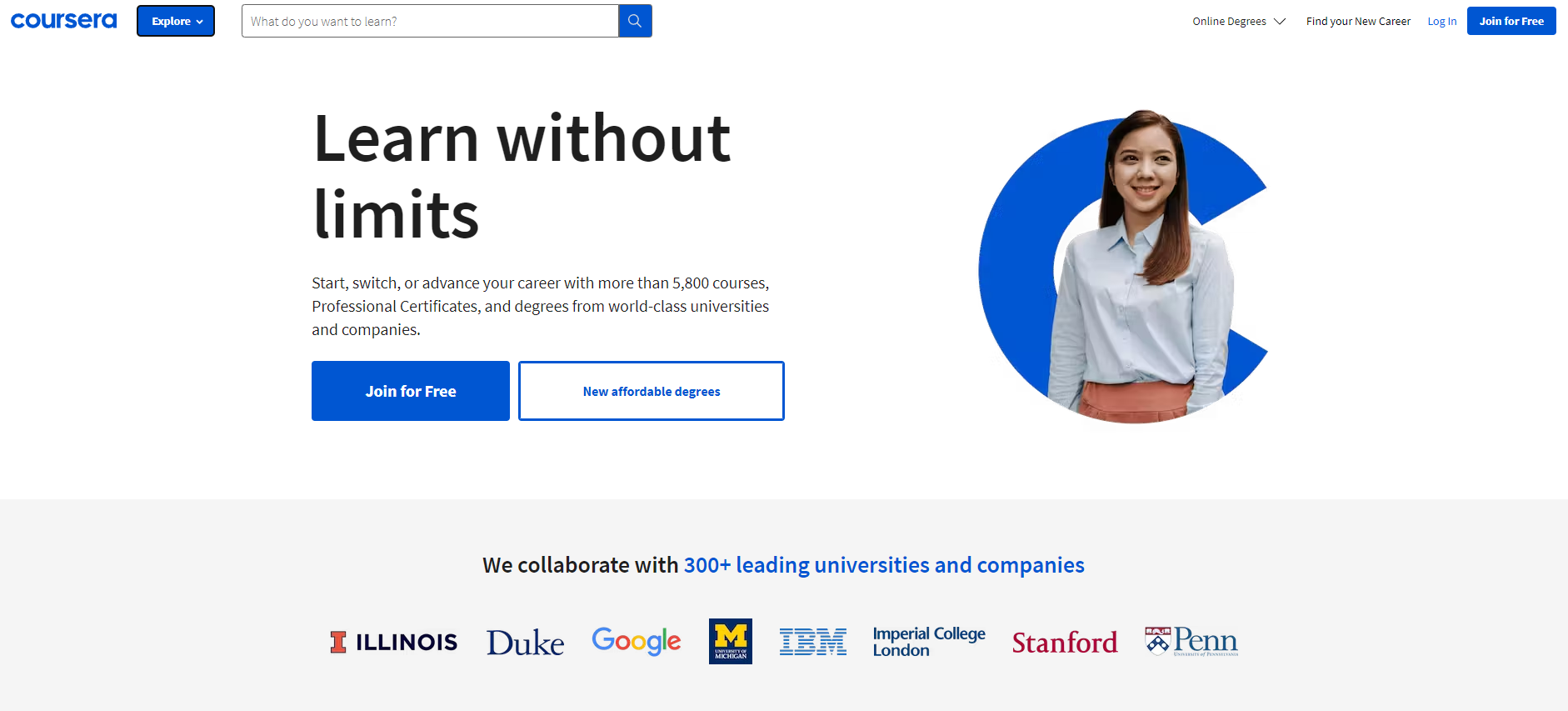
Coursera has stayed relevant for a reason. It’s not just another course website—it partners with top universities and companies to deliver structured, career-focused learning.
Think institutions like Stanford University, Google, and IBM. That credibility alone puts it ahead of many competitors.
But popularity doesn’t always mean quality—so let’s dig deeper.
Extensive Course Catalog for Every Career Path
One of Coursera’s biggest strengths is its massive course library.
You’ll find courses in:
- Software engineering
- Cybersecurity
- Data science
- Business and leadership
- IT certifications
- Personal development
Whether you’re learning .NET development, exploring cloud platforms, or diving into cybersecurity, Coursera has something structured for you.
Unlike random tutorial sites, most courses follow a clear learning path, which makes it easier to stay consistent and actually finish.
Flexible Learning That Fits Your Schedule
Let’s be real—most people don’t have time for traditional school anymore.
Coursera solves that with:
- Self-paced learning
- Mobile access
- Downloadable content
- Flexible deadlines
You can literally learn:
- After work
- During lunch breaks
- On your phone
This is huge, especially if you’re balancing:
- A full-time job
- Military/reserve duties
- Family responsibilities
You’re not locked into a rigid schedule—you control the pace.
Interactive Learning Experience (Not Just Watching Videos)
A lot of platforms just throw videos at you. Coursera does more than that.
Courses often include:
- Quizzes and graded assessments
- Hands-on projects
- Peer-reviewed assignments
- Real-world case studies
This matters because passive learning doesn’t stick.
If you’re trying to transition into roles like:
- Software engineer
- Cybersecurity analyst
- Cloud engineer
You need hands-on exposure, not just theory—and Coursera actually delivers on that.
Certificates That Actually Mean Something
Here’s where Coursera stands out.
When you complete a course, you can earn a verified certificate that you can:
- Add to your LinkedIn
- Put on your resume
- Show to recruiters
Unlike generic certificates, these are backed by recognized institutions.
Even better, Coursera offers:
- Professional Certificates (career-focused)
- Specializations (multi-course tracks)
- Guided projects (quick skill-building)
For example, a Google IT Support Certificate can actually help you break into entry-level IT roles.
Specializations: Structured Learning Paths
If you don’t want random courses, Coursera’s Specializations are a game changer.
Instead of guessing what to learn next, you follow a step-by-step path:
- Beginner concepts
- Intermediate skills
- Advanced topics
- Final project
This is perfect if you’re trying to:
- Switch careers
- Build a portfolio
- Learn a full tech stack
It removes the confusion and keeps you focused.
Community and Networking Opportunities
One underrated feature is the community aspect.
Coursera includes:
- Discussion forums
- Peer interaction
- Group feedback
You can connect with learners from all over the world.
This is useful for:
- Getting help when stuck
- Sharing ideas
- Building professional connections
It’s not the same as in-person networking, but it still adds value—especially in tech fields.
Pricing: Free vs Paid Options
Coursera offers both free and paid content, which is a big plus.
Free Options:
- Audit many courses for free
- Access lectures without certification
Paid Options:
- Certificates
- Specializations
- Professional programs
There’s also:
- Coursera Plus (subscription model)
- Financial aid for eligible learners
This makes it accessible even if you’re on a budget.
Pros and Cons of Coursera
Pros:
- High-quality courses from top universities
- Flexible learning schedule
- Recognized certificates
- Strong career-focused programs
- Free learning options available
Cons:
- Certificates require payment
- Some courses feel too academic
- Not all courses are beginner-friendly
- Limited direct instructor interaction
Who Should Use Coursera?
Coursera is ideal for:
- Working professionals looking to upskill
- Career changers entering tech or business
- Students supplementing education
- Military and veterans transitioning to civilian careers
- Lifelong learners who enjoy structured content
If you’re someone who prefers organized learning over random tutorials, this platform is a strong fit.
Is Coursera Worth It in 2024?
Short answer: Yes—if you use it the right way.
Coursera isn’t magic. It won’t guarantee you a job.
But it will:
- Give you structured knowledge
- Build real-world skills
- Strengthen your resume
- Help you stay competitive
The key is consistency.
If you treat it like Netflix, you’ll get nothing.
If you treat it like an investment—you’ll see results.
Final Thoughts: Should You Try Coursera?
In 2024, online learning is no longer optional—it’s essential.
Coursera continues to be one of the best platforms for:
- Career growth
- Skill development
- Affordable education
With its combination of:
- Flexibility
- Credibility
- Structured programs
…it remains a solid choice for anyone serious about leveling up.
If you want a quick breakdown of proven strategies to pass programming interviews—from coding patterns to communication skills,
👉 click here for more details